Traces of Origin
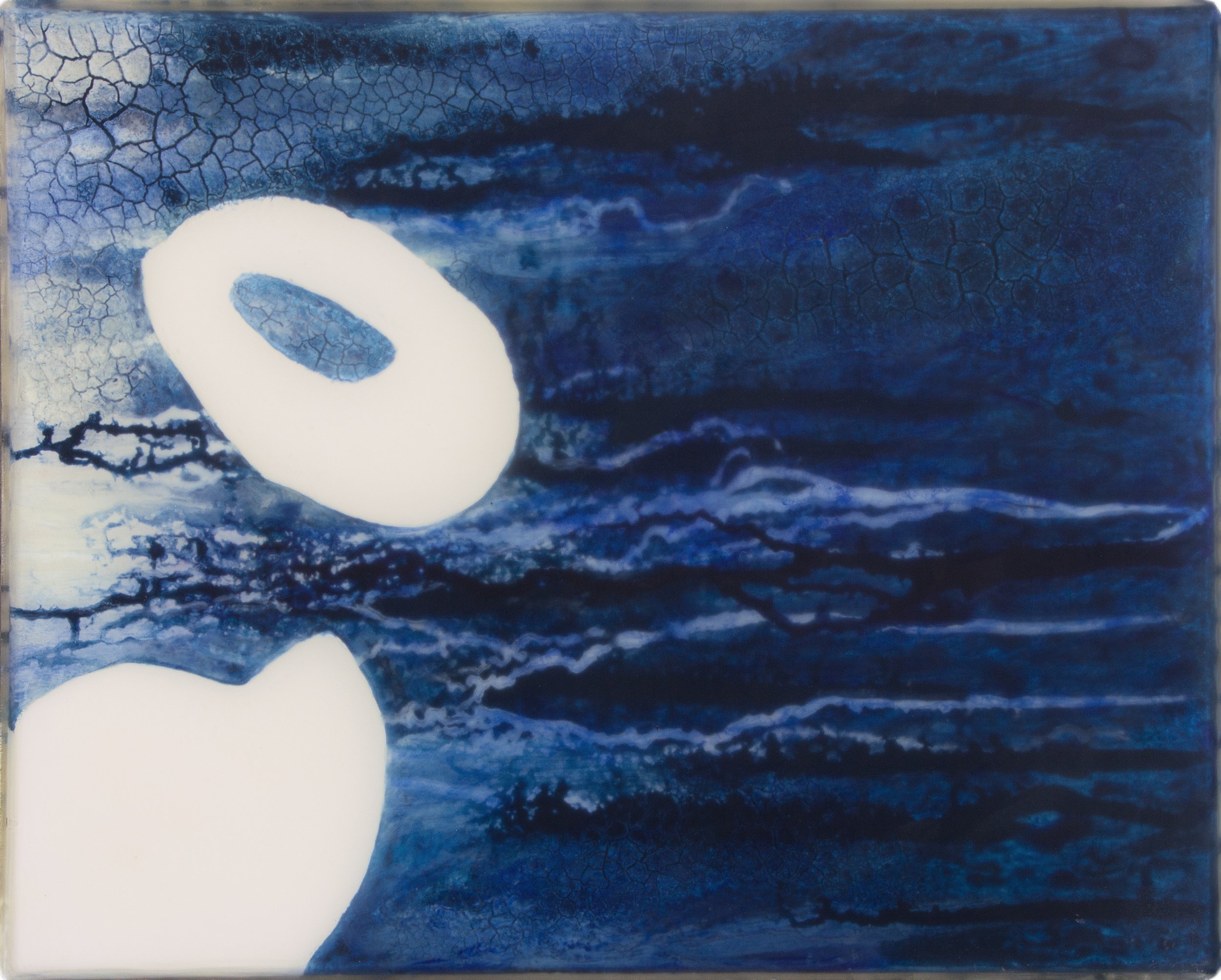
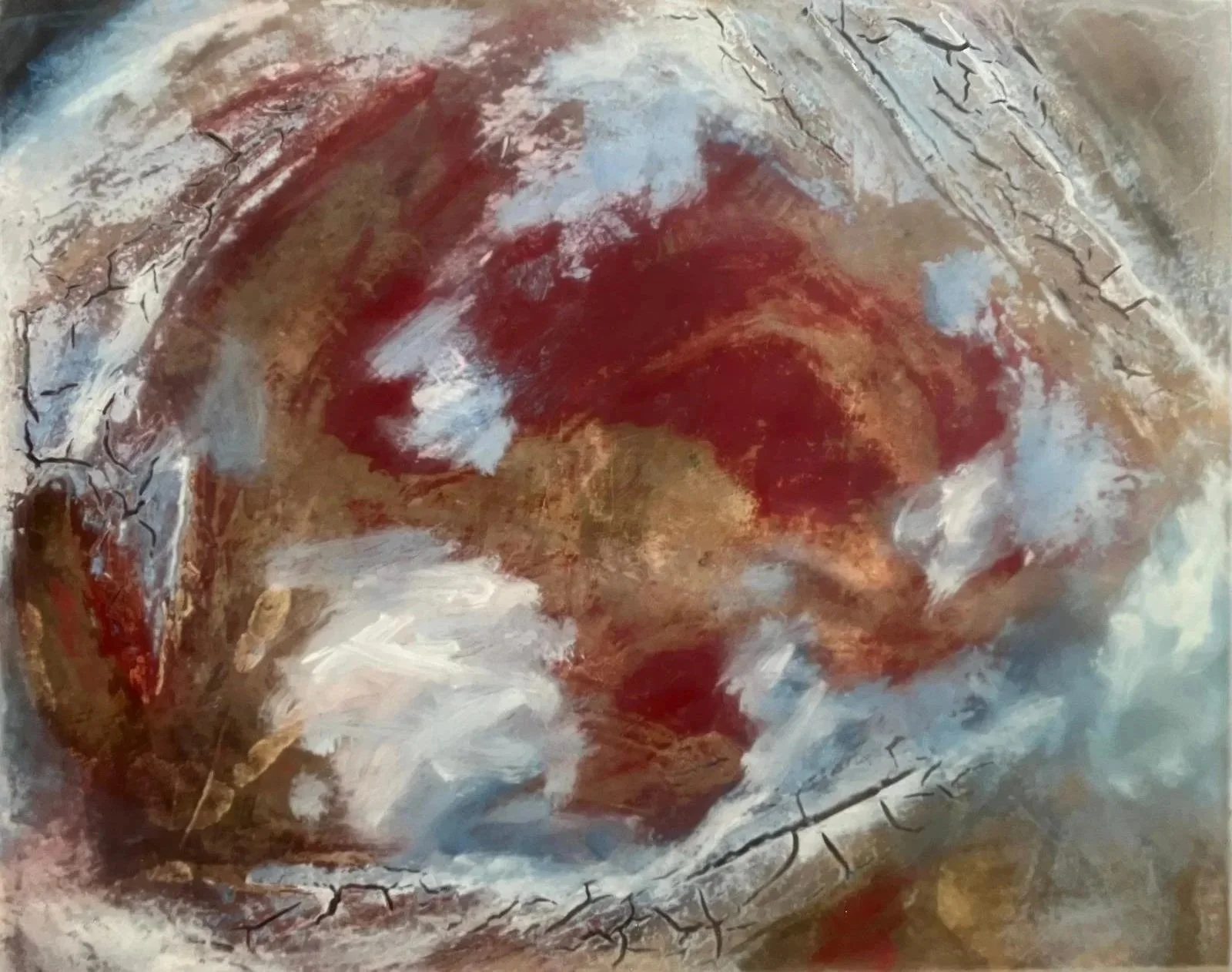
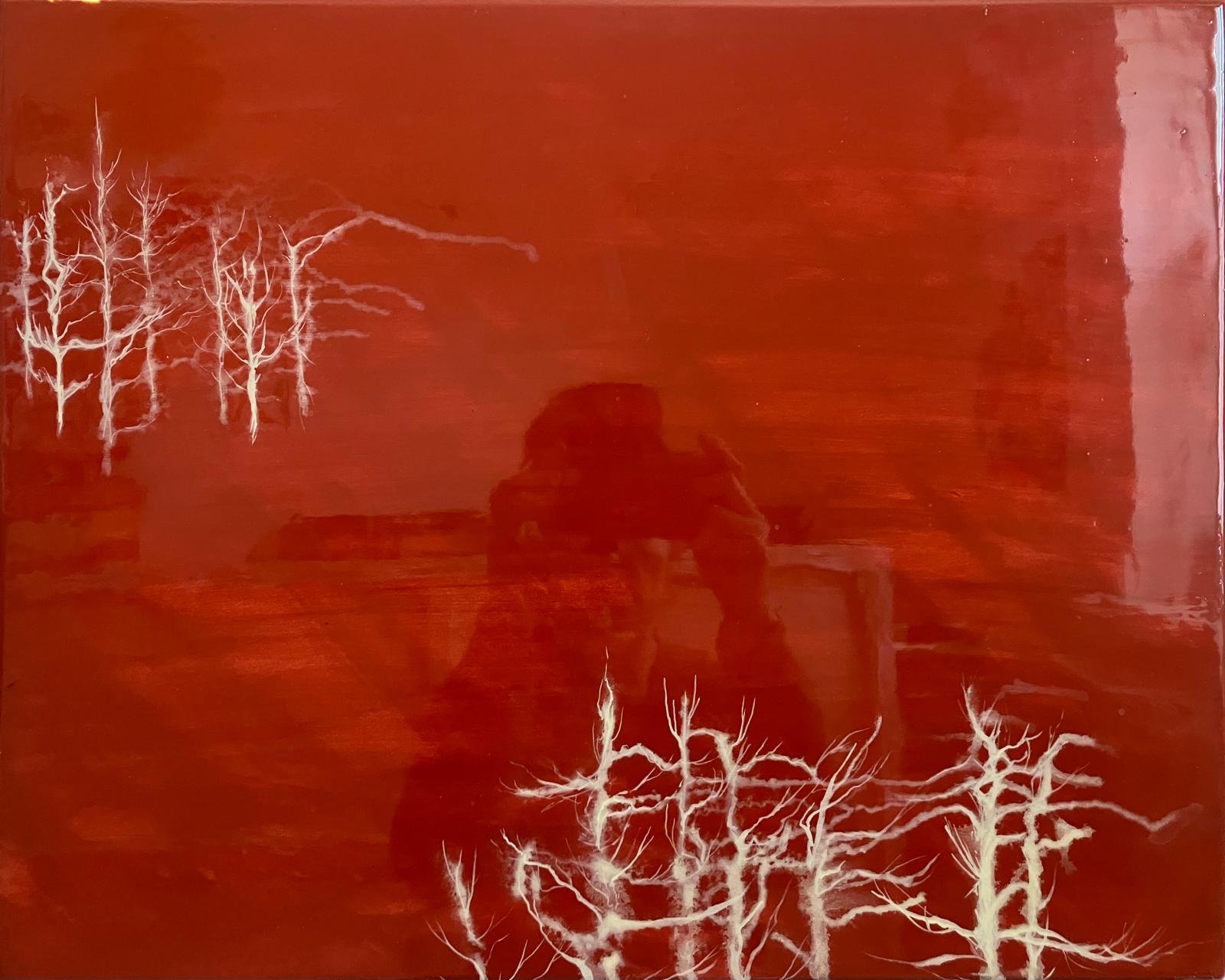
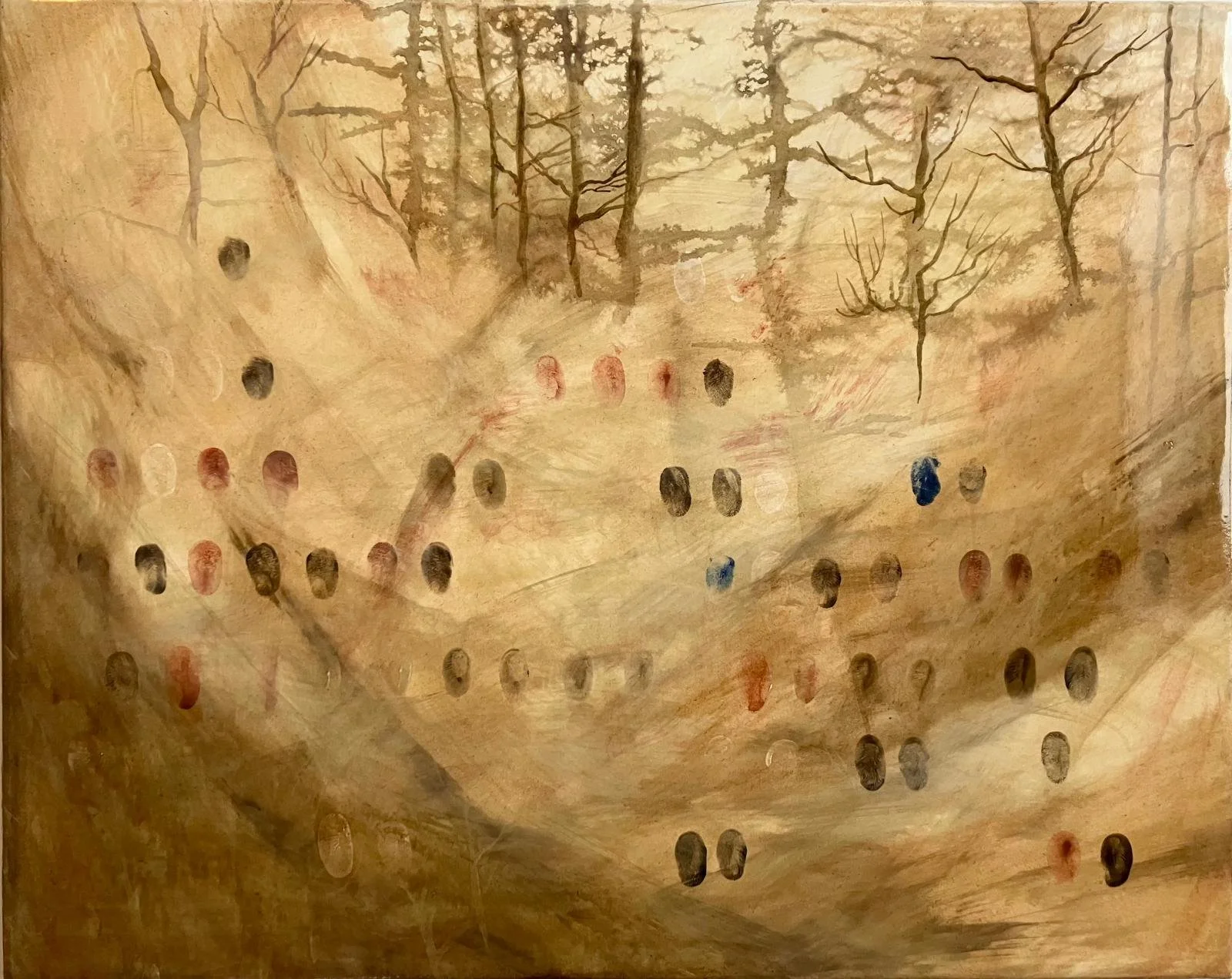
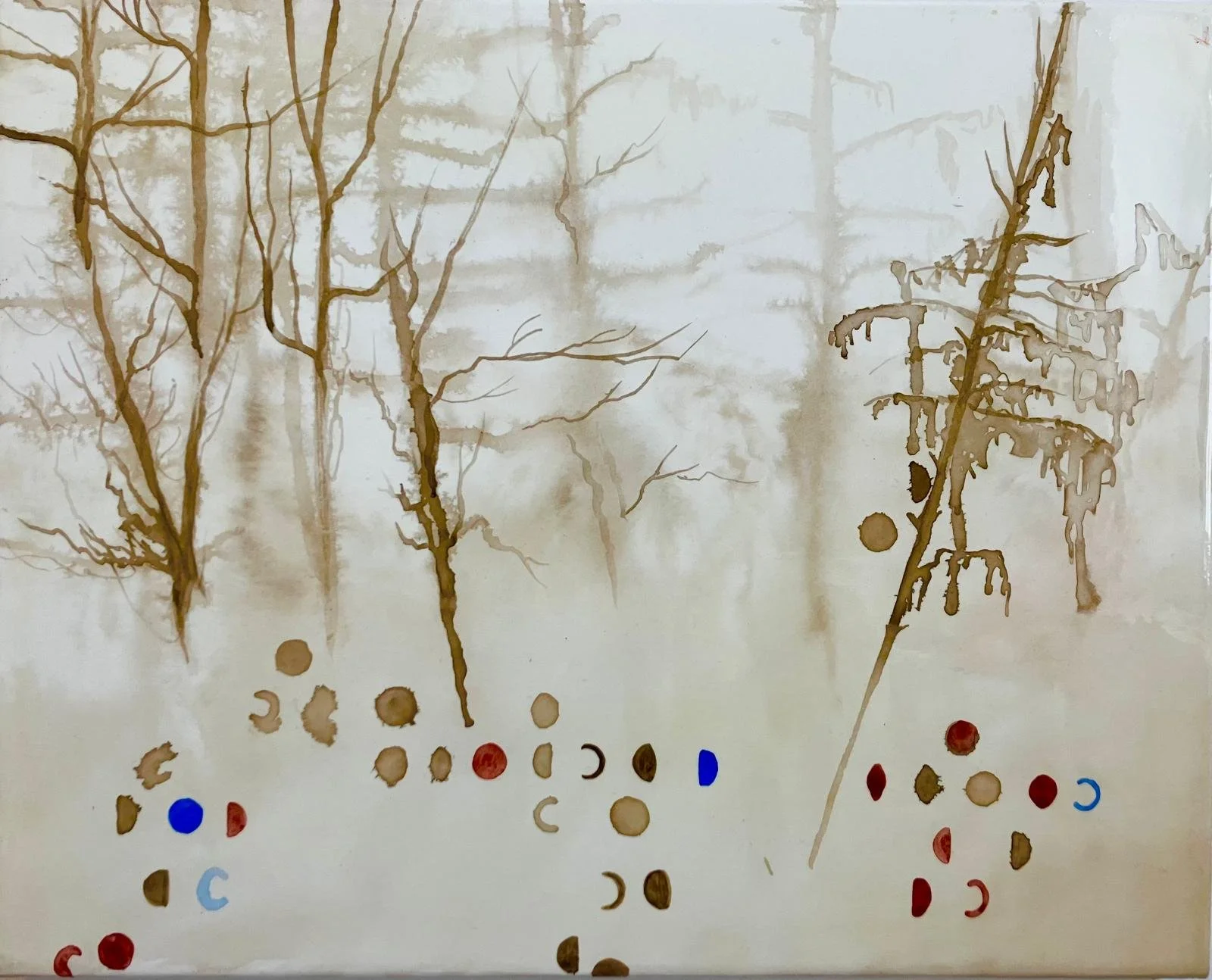
The starting point of this series is an exploration of origin and home, understood not as something static, but as something that shifts, is interrupted, and continually reconfigures itself.
As part of an extensive research process, I traced my family history, constructed genealogies, examined historical photographs, and connected with memory initiatives. The works in this series refer to places with which I am connected through familial origins. The place names used point to real geographic locations in regions that were profoundly transformed in the 20th century by war, resettlement, and forced displacement. The reconstruction of historical settlements, as well as of migration and flight routes, often proves to be fragmentary, a slow process that frequently remains without clear resolution.
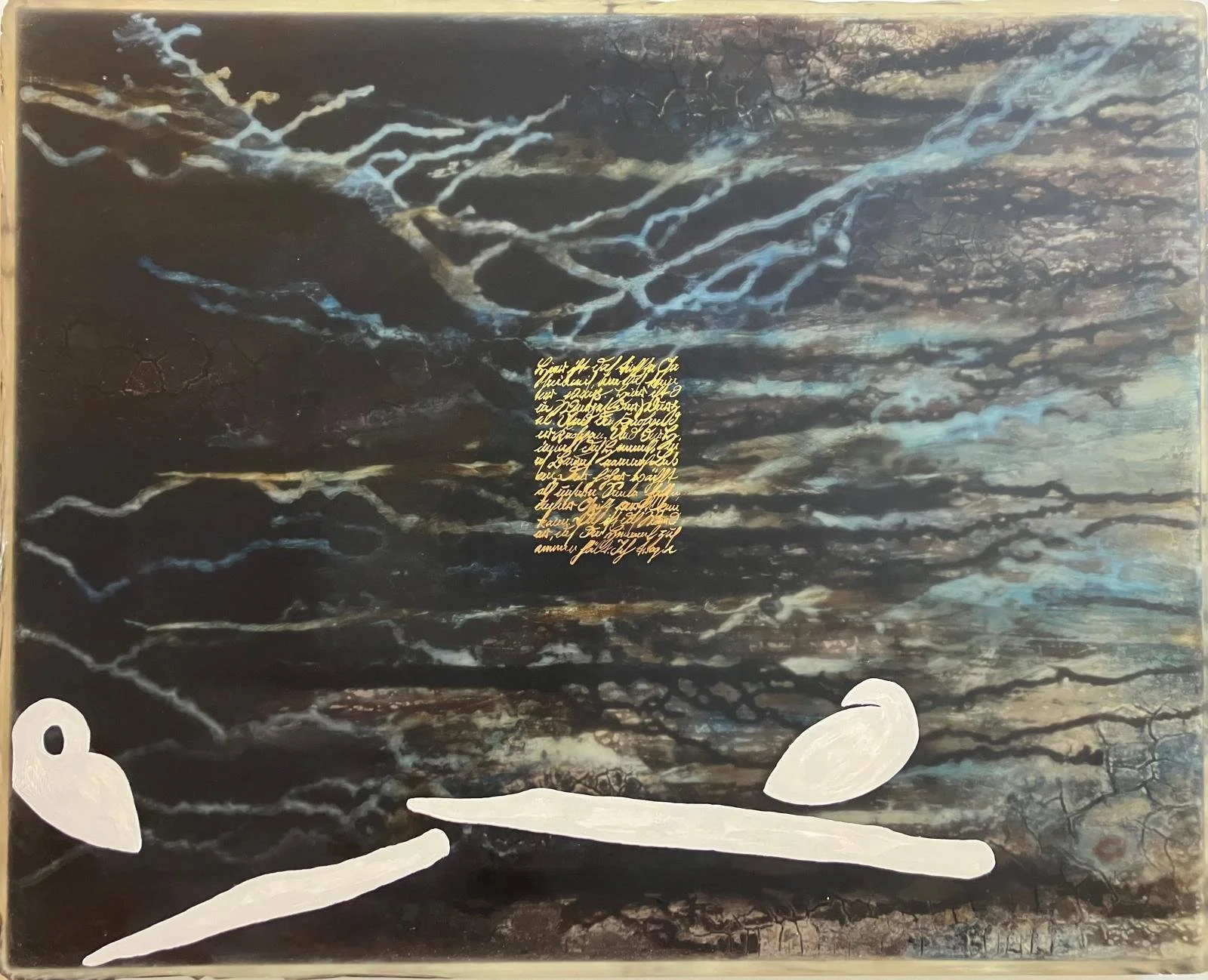
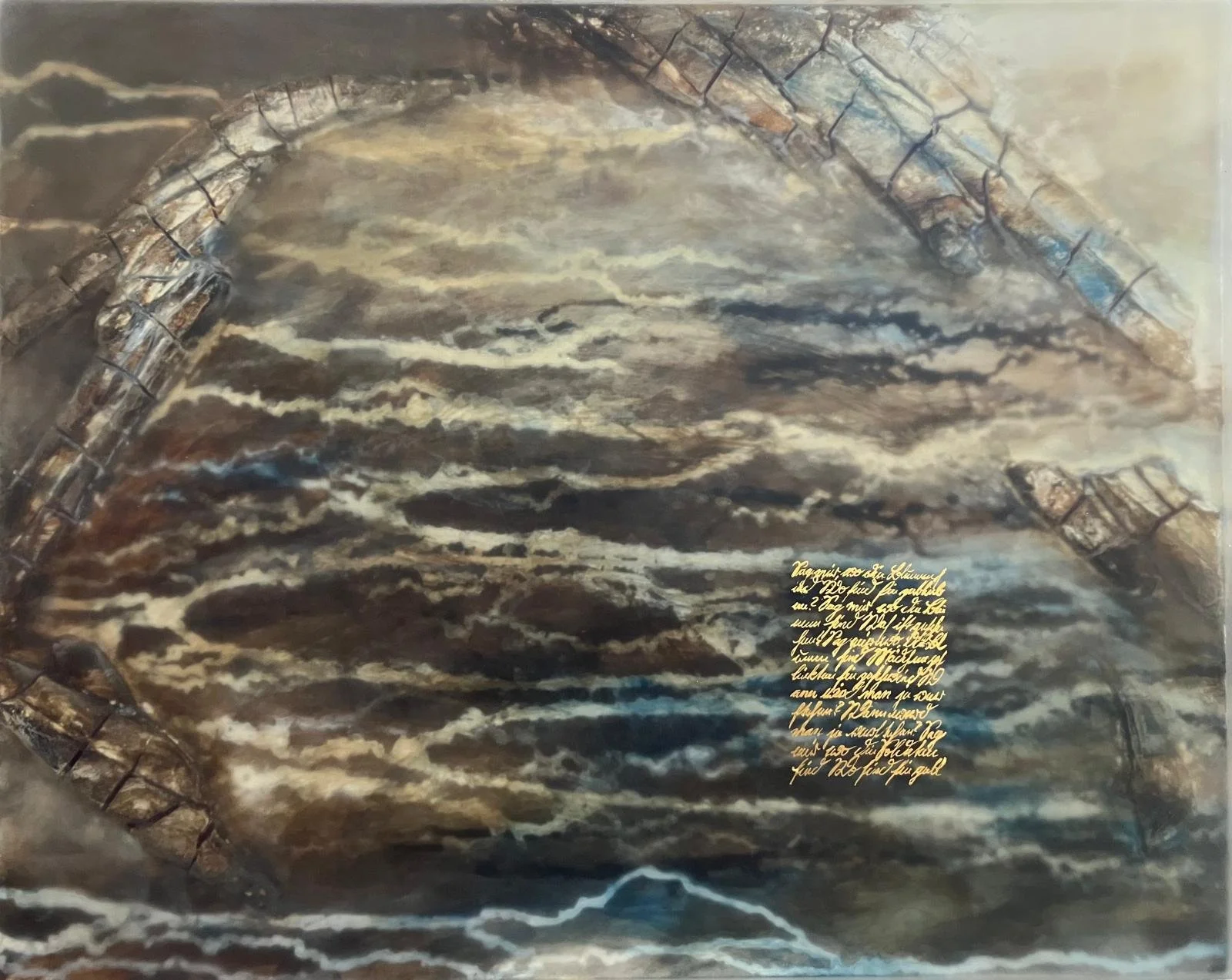
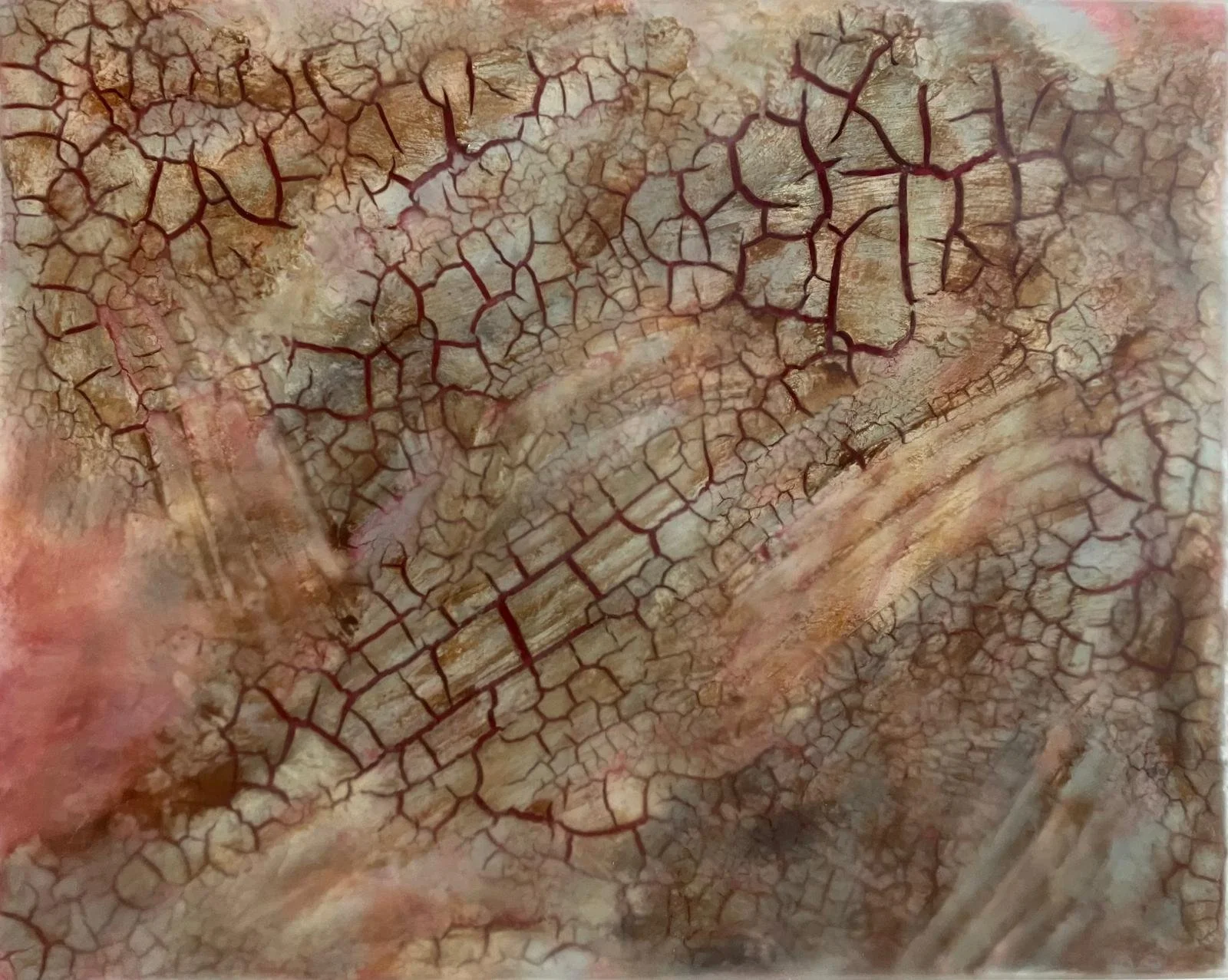
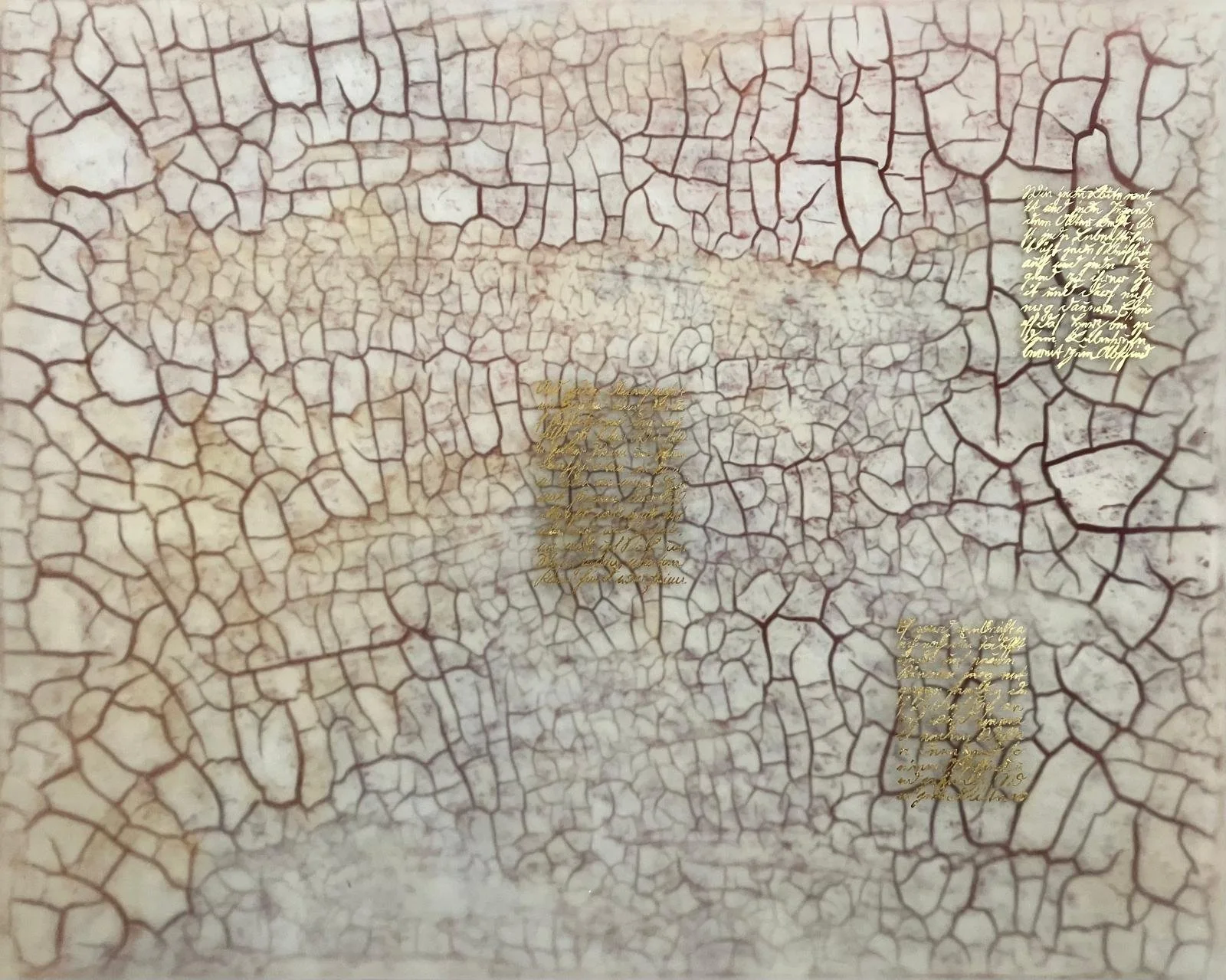
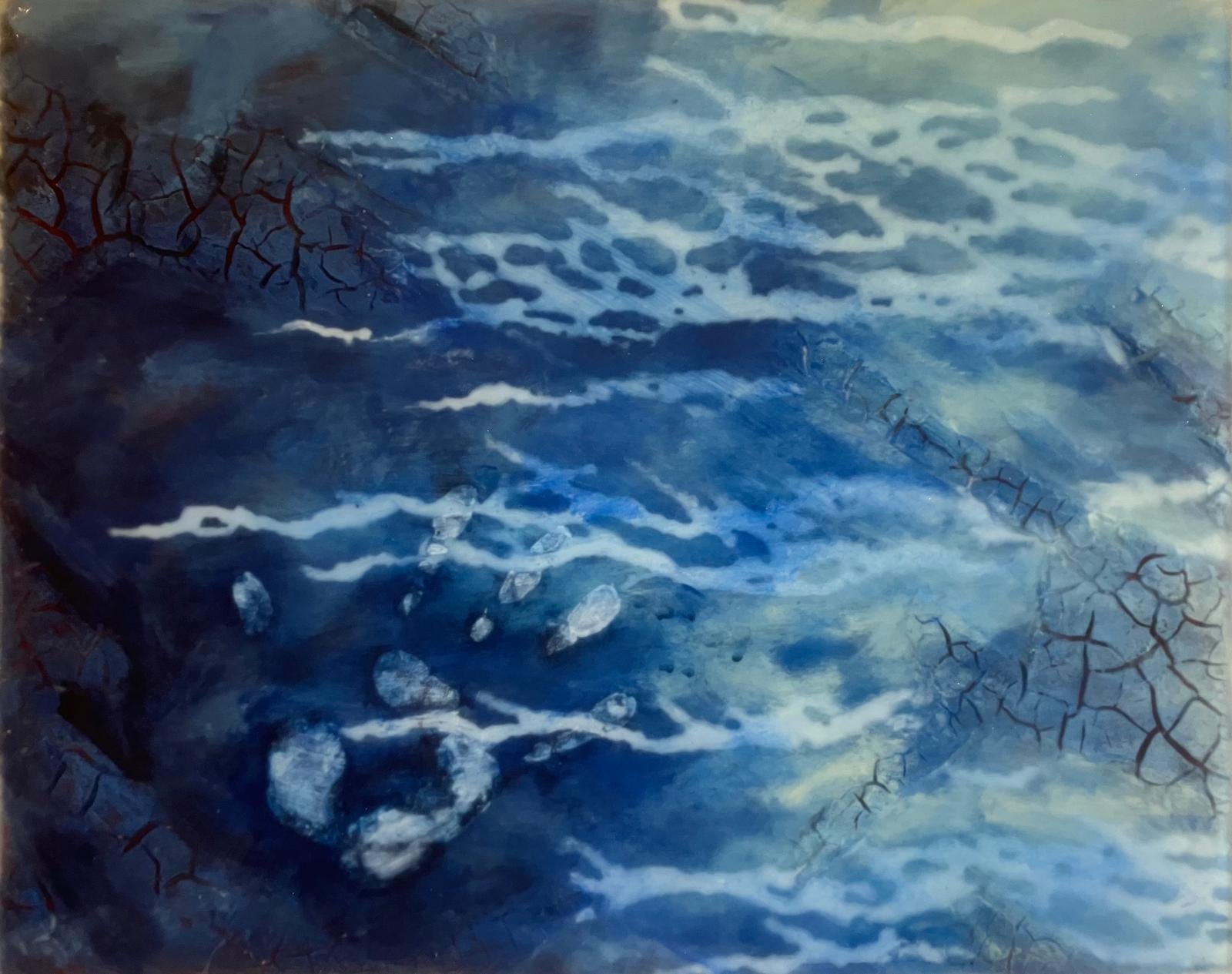
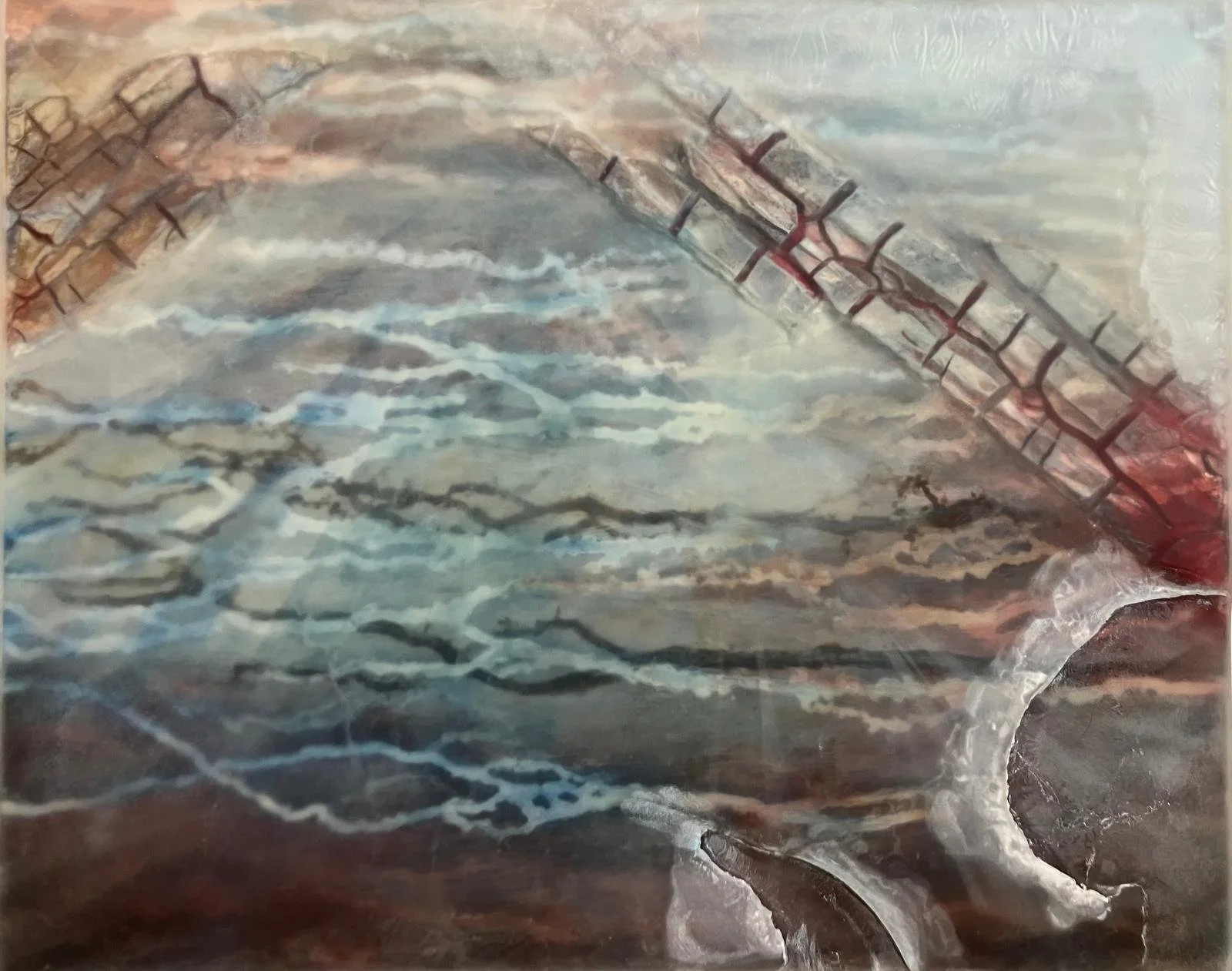
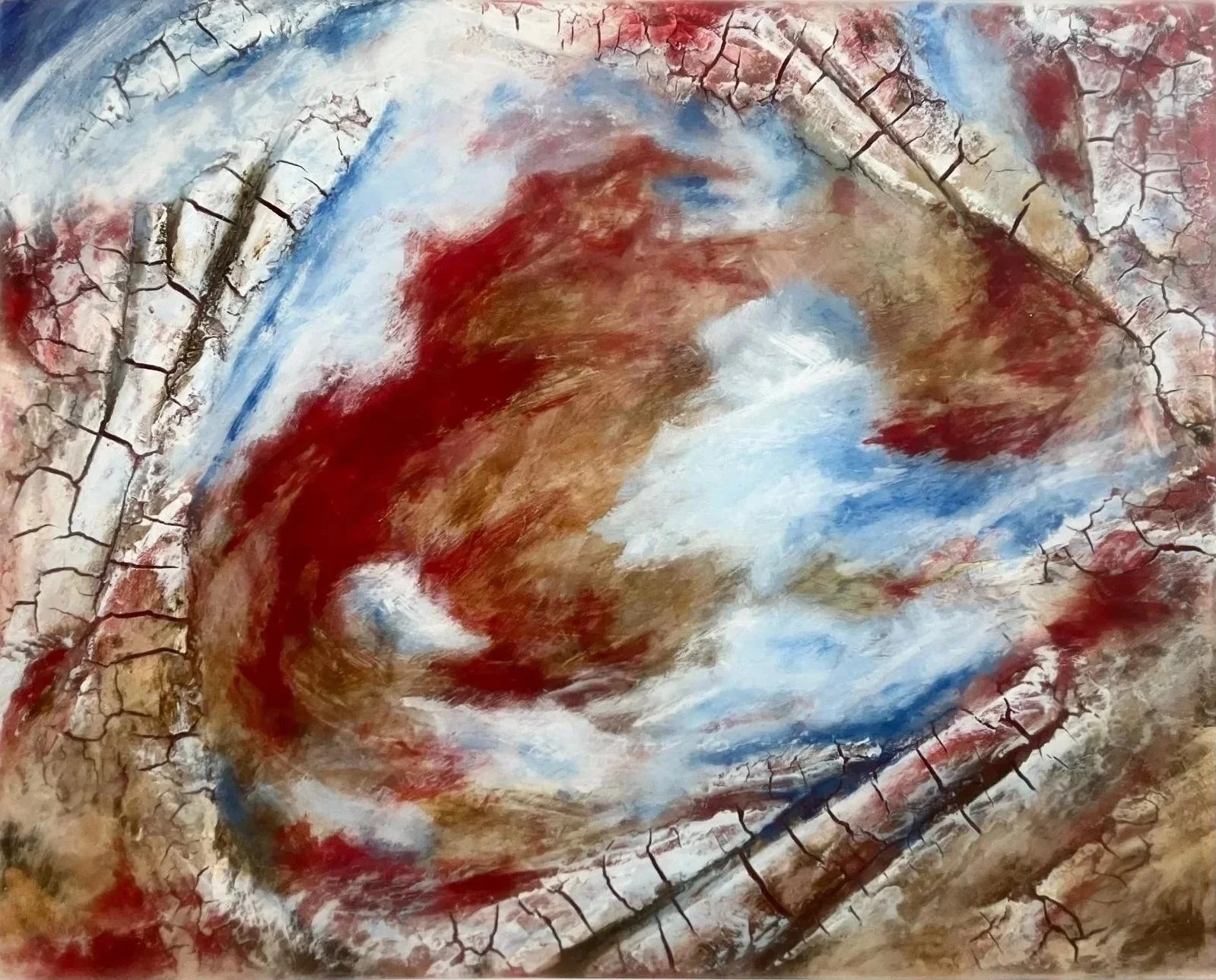
This past is not narrated, but translated into material. Cracked and broken structures are sealed; ruptures and traces remain visible while at the same time being covered. Surfaces emerge in which memory persists while simultaneously opening a space for new elements.
One such element is the reintroduction of Kurrent script, which for a long time was the common handwriting system in German-speaking regions and was banned during the Second World War by the Nazi regime. In combination with fragments of existing poetry that speak of origin, departure, and hope, it becomes part of a visual structure in which past and present overlap.